
I still remember the first LEGO set I bought with my own money. I’d saved a full year of pocket money for it, and I was too excited at the time to question why a toy cost that much. These days, as an adult with an actual budget, I don’t think twice about picking up a set I want. But as an investor, a rising price tag is exactly the point. It means a better return down the line.
So why are LEGO sets so expensive compared to other building-brick brands, and what’s actually driving that price up?
Top reasons LEGO sets cost what they do
LEGO doesn’t cut corners on detail
Part of the answer is manufacturing standards. LEGO uses the same mold for every batch of bricks it produces, and each mold is stamped with a code that traces back to the exact plant it came from. So if a brick comes out faulty, LEGO can identify precisely where and fix it fast. Only about 18 out of every 1,000,000 bricks LEGO makes are defective. That level of quality control isn’t free, and it shows up in the price.
Brand collaborations
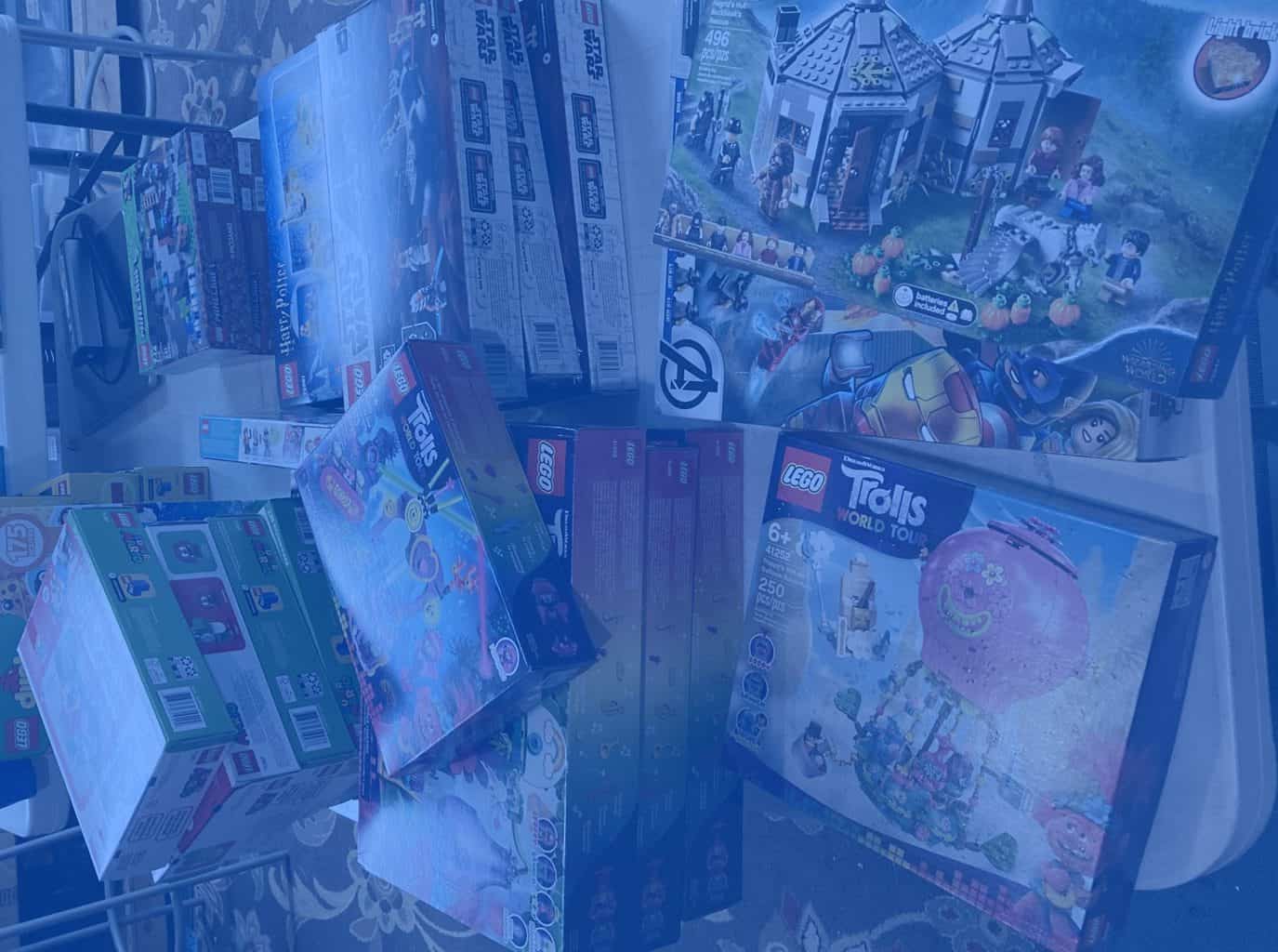
The other big piece is licensing. LEGO’s first major brand tie-in was Star Wars back in 1999, and that opened the door for deals with Disney, Marvel, Harry Potter, and more. Competitors making generic building bricks don’t have access to any of that. They can’t put a lightsaber or a Hogwarts crest on the box. Licensing famous names doesn’t come cheap for LEGO, and that cost gets baked into the retail price of every set carrying one of those brands.
The upside for us: sets tied to a major license tend to become sought-after collectibles once LEGO retires them, because the brand recognition doesn’t fade the way a generic theme’s might. Even LEGO’s own site lists retired sets like the 3,803-piece Death Star as hard to find years later, which is proof that demand for these collaborations sticks around long after the set leaves shelves.
What makes LEGO so popular in the first place
LEGO now holds roughly 70% of the construction-toy market, and a lot of that comes down to consistency. The standard brick design hasn’t fundamentally changed since it was introduced in 1958, built on an idea a Danish carpenter came up with a decade earlier for interlocking plastic blocks.
Through the 1970s, LEGO expanded into Duplo and Technic, reaching audiences well beyond the original block-building crowd, and it’s stayed a fixture of childhood, Danish and American alike, ever since.
It also has a reach most toy brands don’t. LEGO shows up in autism therapy and social-skills work, used by professionals as a focusing and negotiation tool for kids who don’t respond as well to direct verbal communication. That kind of usefulness, on top of instantly recognizable theming (a Harry Potter set that nails details straight out of the books and films, for example), is part of what keeps demand for LEGO broad across ages and interests, and broad demand is what supports a premium price.
Who’s actually buying LEGO
LEGO has grown past being a toy brand into something closer to a collectible commodity. If you’re looking at it as an investment, that’s exactly the stage of a product’s life you want to catch: mainstream enough to have staying power, but increasingly treated as more than a kid’s toy. Sets like the Architecture line show LEGO leaning into that adult market on purpose, and partnerships with brands like Friends are aimed squarely at nostalgia-driven adult buyers.
Why you should consider reselling LEGO
Most people who could make money reselling LEGO never try, mostly because there isn’t much good information out there on how to do it. That’s the gap we’re trying to fill.
So is buying and reselling LEGO actually worth the effort given how much sets already cost? Short answer: yes.
LEGO keeps releasing new sets and keeps signing new brand deals, which means there’s always someone out there hunting for a specific character or movie tie-in in brick form. Research out of the National Research University Higher School of Economics has pegged LEGO resale returns at 11% or better, a number that puts plenty of traditional investments to shame, gold and stocks included. Treat it as a side hustle and that’s a solid return. Treat it like a real business and the ceiling is a lot higher.
What actually holds its value
Bigger sets with more pieces don’t automatically resell for more. What actually drives resale value is how desirable a set is and how long it stayed on shelves. Limited-run and seasonal sets (the current year’s Chinese New Year lineup is a good example) get much harder to find once their window closes, which is exactly what pushes resale prices up. Regional exclusives play into this too: a set only sold in London LEGO stores can be worth real money to a collector in Australia who has no other way to get one.
Final thoughts
LEGO sets cost more than you’d expect for a box of plastic bricks, but the manufacturing standards and licensing deals behind that price are also exactly what makes retired sets worth something later. Personally, my favorite Indiana Jones set from years back still gets played with, and I don’t regret what I paid for it.
Related questions
What’s the cheapest way to buy LEGO?
Yard sales and second-hand stores are still your best bet if you’re not set on new-in-box.
Does LEGO ever go on sale?
Yes, regularly. Joining the LEGO club (now LEGO Insiders) is the easiest way to stay on top of exclusive offers.
How much does a set cost per piece?
Back in 1985, a LEGO brick averaged around 40 cents. Today it’s typically 6 to 16 cents per piece, depending on the set and theme.
Why do licensed themes cost more?
LEGO’s collaborations with brands like Star Wars, Indiana Jones, Harry Potter, and Marvel all come with licensing fees, and that cost gets passed along in the price of every set carrying that theme.